
Anchoring Phenomena in STEM: Why Stories Matter
In this post we will explore how to use stories as a part of anchoring phenomena and cross curricular strategies to enhance instruction.
Level 1: Elementary
Picture-Perfect STEM and Identity Formation
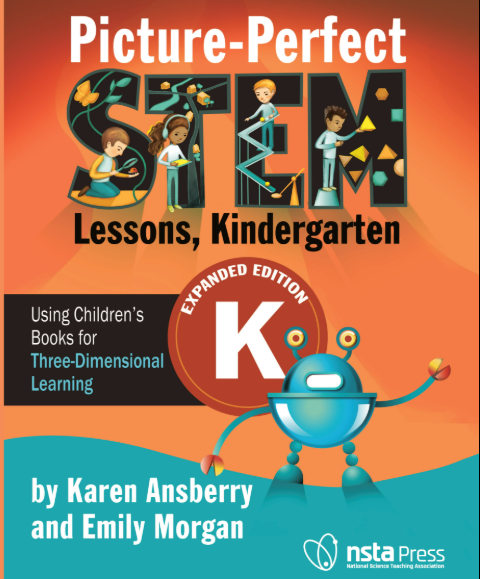

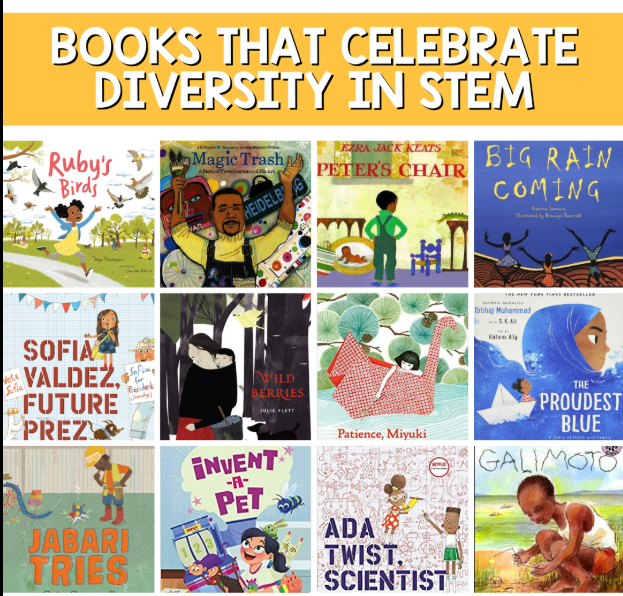
In elementary classrooms, story is not enrichment, it’s access. The National Science Teaching Association’s Picture-Perfect STEM approach pairs narrative texts with hands-on inquiry. Students don’t begin with vocabulary lists or definitions, they begin with a problem, a character and a challenge. his matters because at the elementary level, we are shaping scientific identity.
When students see characters designing windmills, solving environmental problems or iterating on prototypes, they internalize a powerful message:
Science is something people do and you can do the same kinds of things.
Cognitive science supports this. Narrative contexts increase memory retention through episodic encoding, improve comprehension by activating prior knowledge, and reduce cognitive load by situating abstract concepts in familiar frameworks.The story becomes the anchor and the lab becomes the extension.
Level 2: Middle School
Harnessing the Wind and Systems Thinking
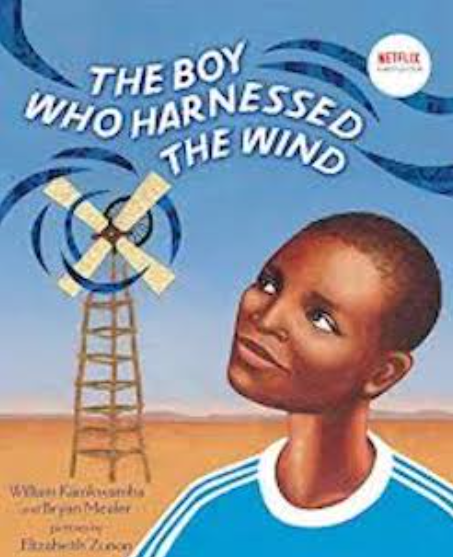
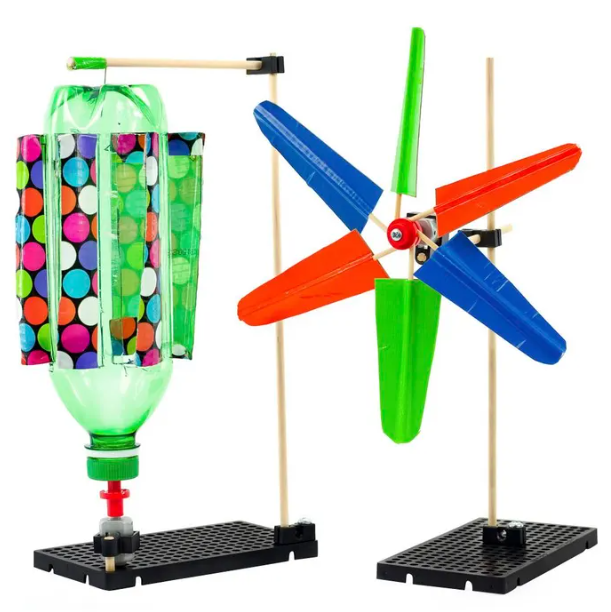

In middle school physical science, I’ve seen this play out powerfully with The Boy Who Harnessed the Wind. Students aren’t just learning about energy transfer or generators, they are exploring resource scarcity, engineering design under constraints and innovation driven by necessity. The physics becomes human and middle schoolers are developmentally wired for story. Their executive function is still developing, but their empathy and narrative reasoning are strong. Anchoring energy units in a real-world story. It strengthens conceptual coherence, builds cross-curricular bridges (geography, economics, social studies) and encourages resilience thinking.
And again, the message is clear: you are capable of building something that changes your community. Especially when students then design and build their own scaled windmills that can actually generate electricity. That is far more powerful than a worksheet on kilowatts.
Level 3: AP Chemistry
The Disappearing Spoon and Conceptual Continuity
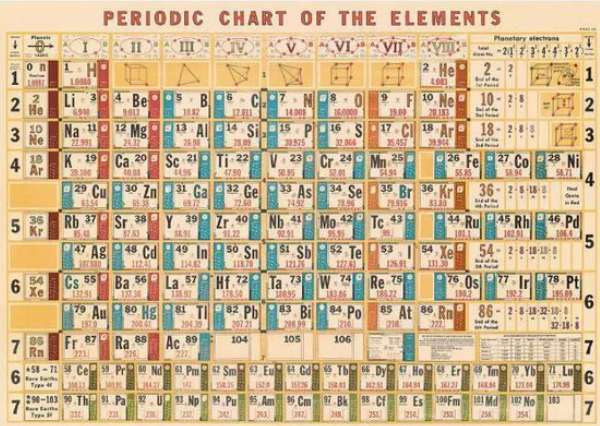
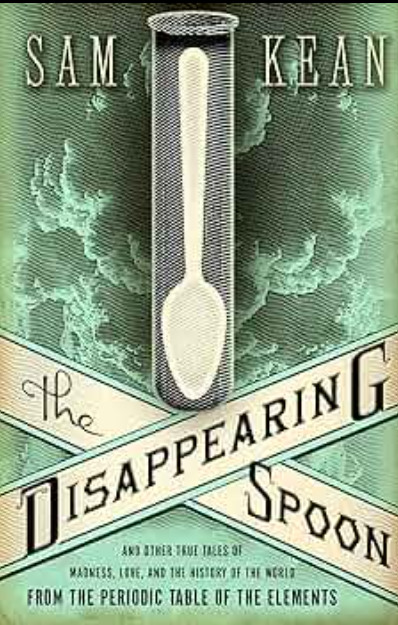

In AP Chemistry, the narrative becomes more sophisticated, but no less essential.The Disappearing Spoon by Sam Kean allows students to see equilibrium through the Haber process, redox through battery development, kinetics through industrial accidents, and acid-base chemistry through historical discovery. Using it in class isn’t sentimental storytelling, it is intentional anchoring.
When students encounter a concept months later, the story resurfaces. That episodic encoding strengthens retrieval pathways. Research on dual coding and contextual learning supports this: when abstract content is paired with narrative and imagery, retention improves and transfer increases.
It also demystifies scientists. Students see flawed humans making iterative discoveries. They see failure, competition and collaboration. They see that scientific progress is not reserved for geniuses in white coats. It is built by people who persisted and the implicit message is the same at every level: you can do this too.
Cross-Curricular Integration
Science Is Not Isolated
Intentional narrative anchoring naturally supports interdisciplinary learning by integrating the history of scientific discovery, the ethics of technological advancement, the economic and geopolitical implications of chemistry, and literacy skills through close reading and reflection
This is not extra work, it is coherence. When students read over the summer and revisit those stories during the year, we create cognitive continuity. Instead of starting cold in August, they return with a shared intellectual reference point. Summer reading, when done thoughtfully, functions as part review, part preview and part identity reinforcement. It keeps the conceptual thread intact.
The Science Behind the Strategy
Intentional story integration aligns with several well researched educational learning theories. Schema theory tells us that new knowledge attaches to existing frameworks, which we can create through literature and class discussions. Retrieval practice can be used with stories that then can be used as durable cues. Social learning theory is applied through identity modeling and character association.
Differentiation and AI
Expanding Access Without Lowering Rigor
Here’s where modern tools matter and educational technology can be implemented to enhance instruction. AI allows us to translate complex scientific narratives for multilingual learners, adjust Lexile levels without diluting core ideas, generate guided reading questions at varying depths, provide audio versions for auditory learners and scaffold vocabulary dynamically. We keep the anchor and the science the same, but expand access to be customized for each learner.
Final Thoughts
Across elementary classrooms, middle school engineering challenges and AP Chemistry equilibrium discussions, the pattern is consistent: facts alone fade much more quickly than stories, which endure in our students minds. When we design STEM instruction around intentional narrative anchors, we are not softening science, we are strengthening it. At every level, the underlying message is that scientific discovery is not something that happened long ago by someone else, it is something you can participate in right now.
